The journey of gambling tracing the historical evolution of casinos
Origins of Gambling
The roots of gambling can be traced back to ancient civilizations, where the practice was often linked to religious and social rituals. Archaeological findings suggest that games of chance have existed for thousands of years, with dice dating back to at least 3000 BC found in ancient Mesopotamia. As societies evolved, so did the methods and purposes of gambling, transitioning from a mere pastime to a form of entertainment and commerce. Many players today seek the best online casino in canada to explore these thrilling options.

In ancient Rome, gambling became a popular activity among citizens, with bets placed on chariot races and gladiatorial contests. The Roman Empire’s influence spread gambling across Europe, paving the way for its establishment in various cultures. As the Middle Ages progressed, different forms of gambling emerged, including card games and betting on sports, illustrating the deepening connection between society and gambling.
Development of Early Casinos
The concept of the casino as a dedicated space for gambling began to take shape in the 17th century. The first recognized casino, the Ridotto, was established in Venice in 1638, serving as a controlled environment for gambling. The Ridotto exemplified a shift towards regulated gambling, providing a legal framework that protected both players and operators, thus gaining popularity among the elite.
As the casino concept spread across Europe, venues such as the Casino de Monte-Carlo opened in the 19th century, attracting high-stakes players and establishing a reputation for luxury. These early casinos laid the foundation for the gambling industry, combining entertainment with opulence, and drawing in visitors from around the world.
The Rise of American Casinos
The 20th century witnessed a significant transformation in the casino landscape, particularly in the United States. The legalization of gambling in Nevada in 1931 marked a pivotal moment, leading to the establishment of Las Vegas as the gambling capital of the world. Las Vegas casinos evolved into sprawling resorts, offering not just gaming but also entertainment, dining, and luxury accommodations.
With the expansion of gambling across the U.S., states began to recognize the potential economic benefits. The introduction of Native American casinos in the 1980s further diversified the gambling landscape, creating new opportunities for indigenous communities and reshaping the industry’s dynamics. This proliferation of casinos contributed to a burgeoning gaming market that catered to a wide range of players.
Technological Advancements in Casinos
As technology advanced, so too did the gaming experience within casinos. The introduction of electronic gaming machines in the mid-20th century revolutionized the industry, providing players with new forms of entertainment. Slot machines became a staple in casinos, offering engaging gameplay and the allure of jackpots, thus attracting a broader audience.
In the 21st century, the rise of online casinos has further transformed the gambling landscape. Players now have the convenience of accessing their favorite games from home, leading to an explosion in online gaming platforms. Technologies such as live dealer games and virtual reality are enhancing the casino experience, blurring the lines between traditional and digital gambling.
Exploring Today’s Casino Landscape
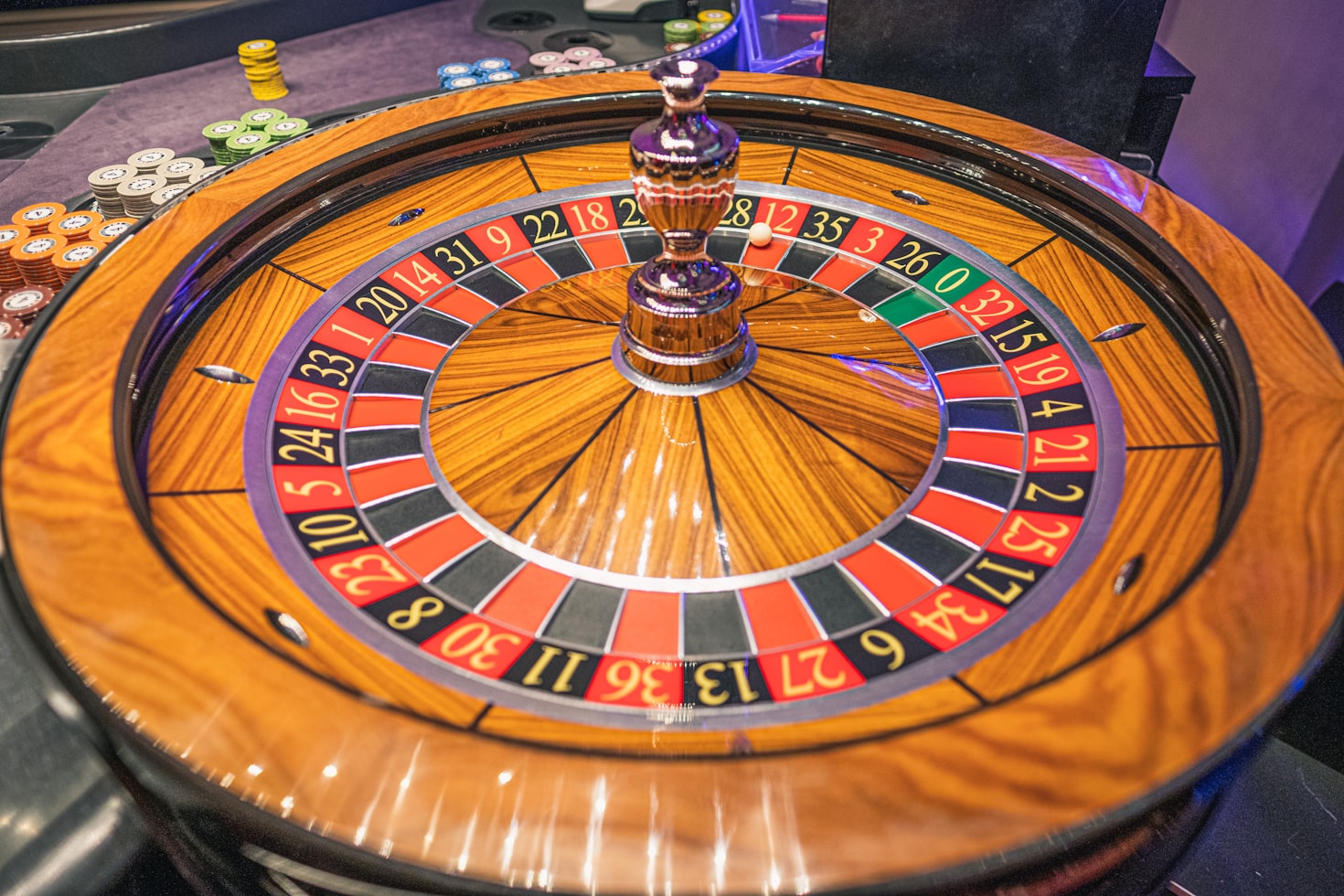
Today, casinos represent a thriving global industry, integrating innovative technology with the rich history of gambling. The evolution from ancient games of chance to modern-day casinos highlights the enduring appeal of gambling as a form of entertainment. As regulations and consumer preferences continue to evolve, the casino industry adapts to meet the demands of a diverse audience.
Whether in a lavish resort or an online platform, the essence of casinos remains the same: a place for thrill-seekers and chance-takers. As this journey through gambling’s history illustrates, casinos will continue to evolve, incorporating new trends while maintaining their core identity as centers of excitement and social interaction.